
AmplifyContinuity
The Backbone of Business Survival
AmplifyContinuity protects your cloud and critical data, so you never lose what you’ve built, even in the worst-case scenario.
Breaches Happen. Recover Fast with AmplifyContinuity
Our cloud uptime and availability solutions protect your cloud and critical data, so you never lose what you’ve built, even in the worst-case scenario. In an always-on environment, cloud uptime and availability isn’t optional. Your resilience is your competitive advantage.

What is Cloud Disaster Recovery?
You can’t avoid every crisis. But you can choose how fast you recover.
Cloud disaster recovery is the process of restoring your systems, data, and operations from a secure cloud environment after an incident — whether that’s a ransomware attack, hardware failure, or accidental deletion. Our cloud resilience solutions activate automatically, cutting recovery time from days to minutes.
- USD$0+
Average cost of one hour of downtime
For critical sectors like finance, healthcare, and retail, the figure can exceed $5 million per hour.
Source: ITIC 2024 Hourly Cost of Downtime Report
- USD$0
Average cost of downtime per minute
Source: Gartner 2014
- 1 in 0
SMBs cannot survive a breach costing as little as USD$10,000
For smaller businesses, even a modest incident can be operationally and financially unrecoverable.
Source: VikingCloud 2025 SMB Threat Landscape Report
How AmplifyContinuity Works?
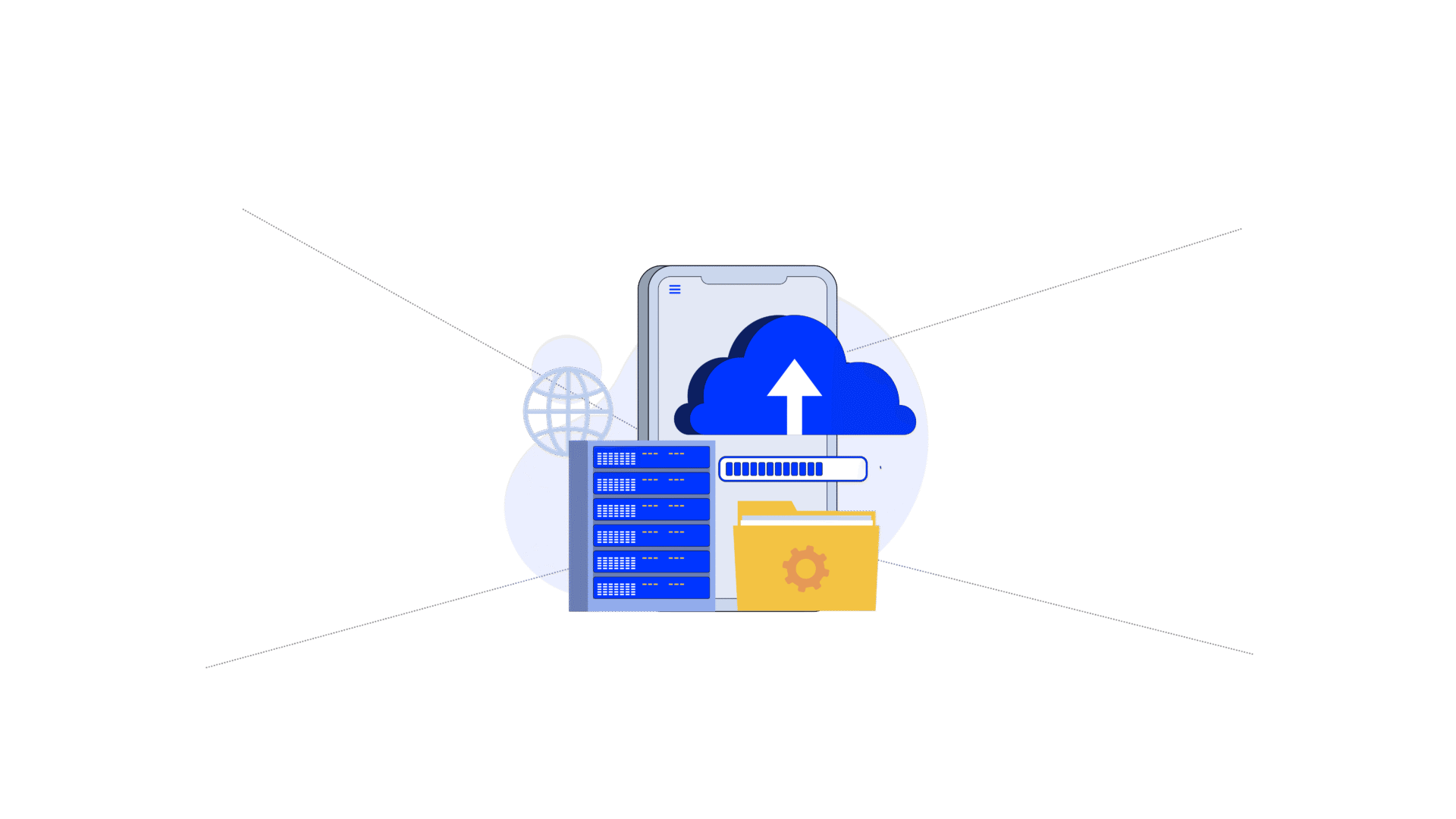
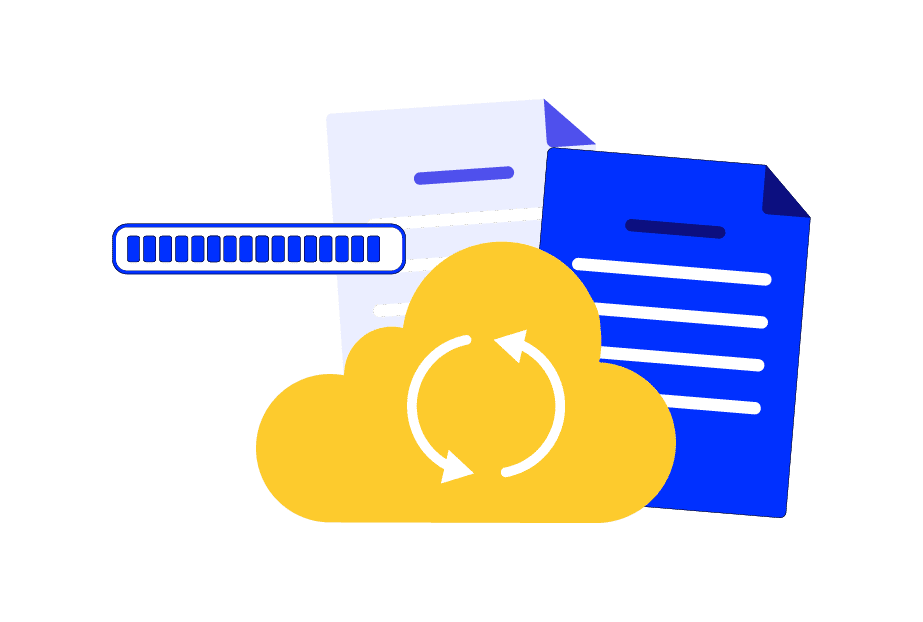
We Back Up Your Data Automatically
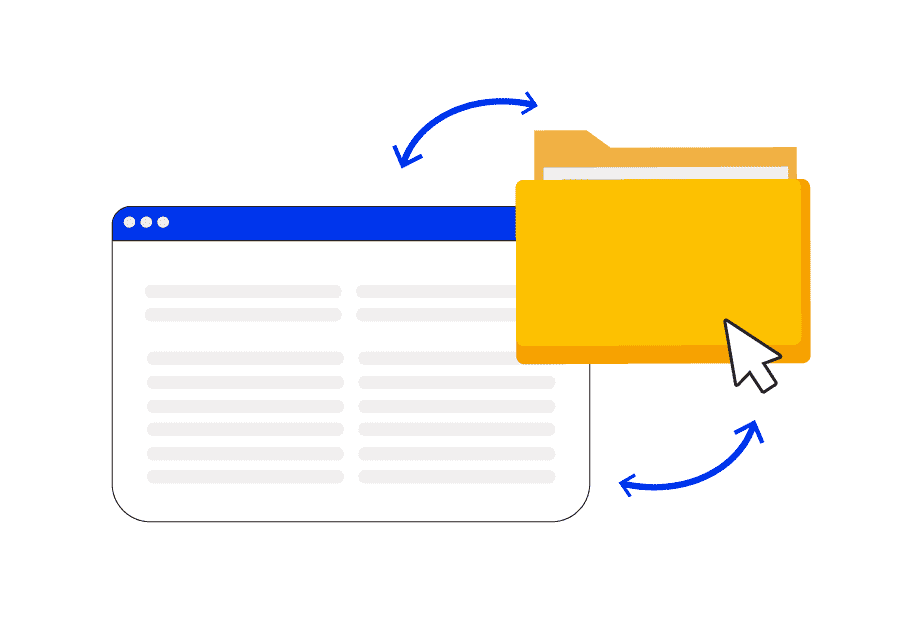
Something Got Wrong? We've Got the Backup
You Recover Fast & Keep Running
We Monitor Everything for You
Continuity Means Resilience
“You can’t avoid every crisis. But you can choose how fast you recover.”

Continuity Services Built for Business
Flexible Recovery Settings
Choose how fast you bounce back — from hours to minutes.
Recovery time objectives (RTOs) are configurable to your business needs, giving you control over how quickly critical systems are restored after an incident.
Immutable Protection
Backups that can’t be altered or deleted even by ransomware.
Immutable backup storage locks your data in a write-once state, ensuring your recovery point remains intact and untouched regardless of what happens to your primary environment.
Daily Cloud Backups
Secure, automated, and stored off-site for peace of mind.
Automated cloud backups run on a daily schedule as standard, with more frequent intervals available for high-priority systems and time-sensitive workloads.
Disaster Recovery- as-a-Service (DRaaS)
Immediate switch to a working cloud environment.
DRaaS spins up a ready-to-run cloud environment the moment you need it, enabling instant cloud failover with no secondary physical site required. Your operations pick up exactly where they left off.
AmplifyContinuity’s 5-Step Process
Consult With Our Team
We start by understanding your infrastructure, recovery requirements, and compliance needs. From there, we design a business continuity plan built around your specific environment.
We Set Everything Up for You
AmplifyContinuity is configured and deployed across your cloud environment, with backup schedules, failover thresholds, and monitoring rules tailored to your business. No manual setup required on your end.

We Back Up Your Data Automatically
Automated cloud backups run continuously, capturing your critical data and storing it securely off-site. Every backup is verified and ready to restore at any point.
You Recover Fast & Keep Running
When an incident occurs, AmplifyContinuity activates recovery immediately. Systems are restored to their exact pre-incident state, maintaining cloud uptime and availability and keeping your business operational throughout.

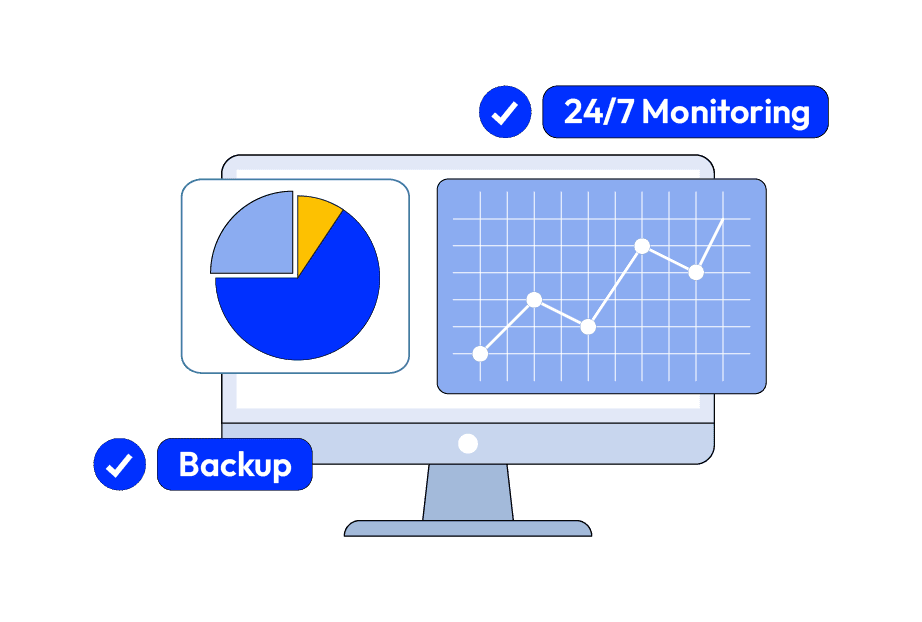
We Monitor Everything for You
Round-the-clock monitoring tracks backup health, replication status, and recovery readiness. Issues are flagged and resolved before they escalate — so your cloud resilience is always active and verified.

Continuity Features You Can Trust
Hosted on AmplifyCloud with full recovery capabilities.

Rollback to any specific point in time before the incident.
End-to-end support.

Supports all major delivery models – IaaS, PaaS, and SaaS.
Clients Who Chose to Stay Ready
For over 20 years, Net Onboard has delivered secure and scalable cloud solutions for top Malaysian brands like KPJ Healthcare, SOGO, and Petronas.

TMSolution
Financial AdvisoryTMSolution recovered from ransomware in under 30 minutes.

Soil Instrument
Engineering & InstrumentationSoil Instruments avoided downtime with daily cloud backups.

i.destinasi
Travel & HospitalityI.Destinasi Sdn Bhd secured a high-value contracts by proving their recovery plan with DRaaS.
Amplify Your Continuity Now
AmplifyContinuity protects your operations from downtime, data loss, and disruption through automated backup, disaster recovery, and ransomware protection. Choose the capability your business needs most.
Backup as a Service (BaaS)
Scheduled protection against hardware failures, accidental deletion, and ransomware with automated, encrypted backups stored off-site.
Disaster Recovery as a Service (DRaaS)
Full system restoration after an outage, attack, or infrastructure failure. Activates with minimal delay for downtime of just minutes.
Ransomware Backup Protection
Restore your system to a clean state with immutable backups that can’t be encrypted, altered, or deleted by ransomware.
AmplifyContinuity: Part of Our Core Solutions
Net Onboard Cloud Amplifier
AmplifyChoice
Always Fit
Cloud Assessment
Architecture Design
Vendor Consulting
Migration Planning
AmplifyControl
Always Safe
Security Assessment
Endpoint Security
Data Protection
MDR & SecOps
AmplifyContinuity
Always On
Backup as a Service
Disaster Recovery Plan
Business Continuity
Recovery Testing
AmplifyChampion
Always Lead
S1: Digitisation
S2: Simplification
S3: Automation
S4: AI Transformation
Frequently Asked Questions (FAQs)
1. What is business continuity in cloud environments?
Business continuity in cloud environments refers to the ability to keep systems, applications, and operations running during incidents such as system failures, cyberattacks, or infrastructure outages. It ensures your business can continue operating with minimal interruption.
2. How do cloud resilience solutions help prevent downtime?
Cloud resilience solutions distribute workloads, build failover mechanisms, and ensure redundancy across environments. They are designed to maintain system stability and performance, so the system continues functioning even if one component fails.
3. What are cloud failover solutions, and how do they work?
Cloud failover solutions automatically switch operations from a failed system to a backup environment when an issue is detected. This ensures that applications and services remain accessible, helping businesses maintain uptime without manual intervention.
4. Why are uptime and availability important for businesses?
Uptime and availability directly impact business operations, customer experience, and revenue. Even short periods of downtime can disrupt services, affect customer trust, and lead to financial losses, especially for digital and online businesses.
5. What is the difference between business continuity and disaster recovery?
Business continuity focuses on keeping systems running during disruptions, while disaster recovery focuses on restoring systems after a failure. Both work together to ensure that businesses can operate continuously and recover quickly when needed.
6. How can businesses improve their cloud resilience strategy?
Businesses can improve cloud resilience by implementing redundancy, failover systems, continuous monitoring, and scalable infrastructure. A good strategy ensures that systems remain available and can quickly adapt to unexpected disruptions.
7. When should a business consider implementing cloud continuity solutions?
Businesses should consider cloud continuity solutions when they rely on digital systems for operations, handle critical data, or require high availability. It becomes especially important as businesses grow, scale, or adopt cloud-based infrastructure.
8. How do cloud continuity solutions support long-term business growth?
Cloud continuity solutions provide a stable and reliable foundation for growth by ensuring systems remain available and resilient. This allows businesses to scale while supporting increasing demand and maintaining consistent performance over time.